
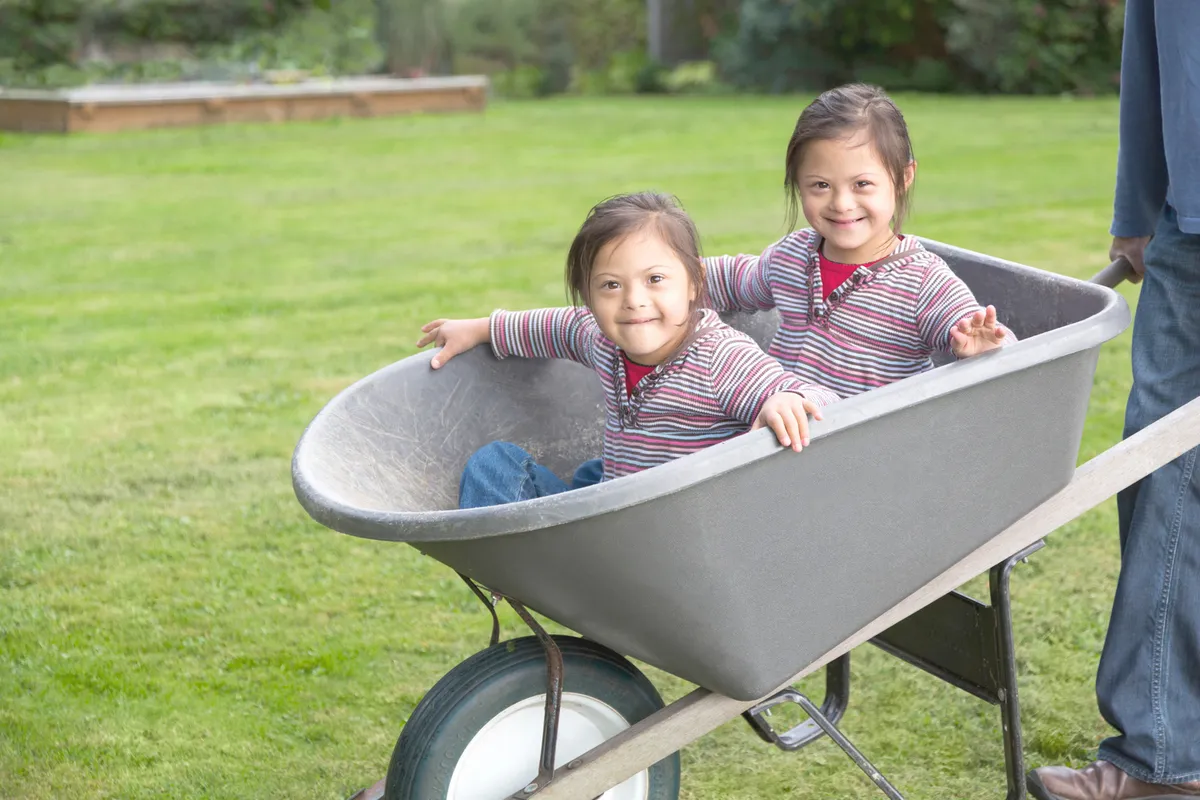
October is Down Syndrome Awareness Month, a time to celebrate, educate, and raise awareness. As a sleep consultant, I want to highlight a topic many families navigating Down syndrome quietly struggle with: sleep.
Children with Down syndrome are more likely to experience sleep challenges, from restless nights to frequent wakings. For parents, this can add another layer of exhaustion to daily life. The good news is that gentle support can help, and better sleep is possible.
🌙 Why Sleep Can Be Harder for Children With Down Syndrome
Sleep Apnea and Airway Differences
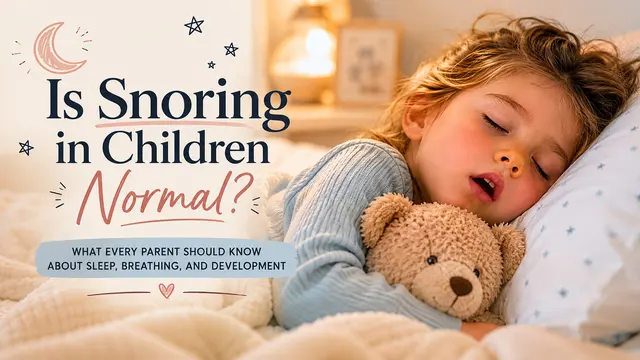
Many children with Down syndrome have smaller airways, lower muscle tone, or enlarged tonsils and adenoids. This makes them more prone to sleep apnea, which can cause snoring, gasping, or frequent waking. If you notice these signs, it is important to speak with your pediatrician or a sleep specialist.
Low Muscle Tone (Hypotonia)
Hypotonia can make it harder for children to find and maintain comfortable positions. It may also contribute to restless or light sleep. Supportive sleepwear, safe positioning strategies, or advice from an occupational therapist can make a big difference.
Sensory Processing Differences
Some children are especially sensitive to textures, sounds, or light. A tag-free pajama, a specific type of blanket, or a soothing sound machine may be small adjustments that bring big relief.
Communication Challenges
If a child cannot fully express their needs, bedtime can become frustrating. Visual schedules, picture cards, or even simple sign language can help children understand what is happening and feel reassured.
Medical Conditions
Conditions such as reflux, thyroid issues, or cardiac concerns — more common in children with Down syndrome — can also affect sleep quality. Collaborating closely with healthcare providers is essential.
Developmental Differences
Every child’s timeline is unique. A two-year-old may still have sleep needs similar to a younger infant, while another may be ready for toddler routines. Matching sleep expectations to developmental stage, not just age, is key.
✨ Gentle Support Strategies That Help
💛 Predictable routines: Repeating the same sequence each night (bath, pajamas, story, cuddle) provides a strong signal that sleep is coming.
💛 Visual cues: Picture schedules or social stories can make the routine clear and reduce resistance.
💛 Extra bonding time: A little more connection at bedtime: songs, cuddles, gentle back rubs can ease separation anxiety.
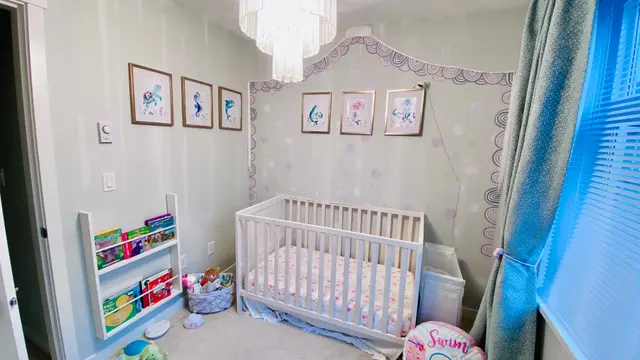
💛 Calm sleep environment: A dark, cool, and quiet room with white noise if needed helps many children settle.
💛 Daytime practice: Role playing bedtime with dolls or stuffed animals can prepare children for the real thing.
💛 Medical support: If you suspect sleep apnea, reflux, or other health issues, always consult your child’s healthcare team. Gentle routines at home and medical care often work hand in hand.
💜 A Gentle Reminder
Better sleep for children with Down syndrome is absolutely possible, but the path may look different for each family. Progress may come in smaller steps, and it may take more time and that is okay. What matters most is creating an approach that works for your child and gives your family the rest you all deserve.
💛💙 This October and every month, I celebrate the joy, strength, and resilience of children with Down syndrome and their families. You are not alone, and with the right support, calmer nights are within reach.
Sources and further reading
These sources offer further reading on the topics discussed in this article.
American Academy of Pediatrics: care guidance for children with Down syndrome